PackingJapan TravelEurope TravelCarry-OnLaundryDress Codes
The Shoes Decide the Trip
Tourists in Tokyo routinely log 15,000 to 25,000 steps a day; Rome and Barcelona run 15,000 to 20,000. Cobblestones make thin-soled sandals a mistake. The working formula is two pairs: one all-day walking shoe that doesn’t read as gym gear, and one evening pair that isn’t heels. Plain leather sneakers, loafers, or low sandals work; brand-new shoes do not. In Japan, ryokans and some restaurants ask you to remove shoes at the door, so slip-ons save time. Travel writer Amanda Williams chose Brooks Ghost Max for walking and Rothy’s Square Mary Janes for evenings. European packing advice points to the same split: a comfortable leather sneaker or loafer for the day, a dressier slip-on at night. Avoid heels entirely on cobblestones. Two pairs replace the shoe section of a suitcase, leaving room for everything else.
Laundry Is the Real Packing Strategy
Japanese hotel laundry rooms are common and cheap: 300 to 400 yen, about $2 to $2.50, for a wash-and-dry cycle. Doing laundry twice on a long trip makes a carry-on feasible. The same arithmetic applies in Europe: a laundromat visit or a hotel sink wash at the midpoint lets you pack a week’s worth of clothes for two weeks. Packing for two weeks doesn’t mean twice the clothes of a one-week trip; it means choosing pieces that cross over—dark solids mix better than prints. A single pair of jeans can carry both day and evening if the top changes. Merino wool shirts resist odor, so they earn their place. The result is a bag light enough to move between trains easily.
The Bag Size Is a Transport Decision
Shinkansen bullet trains require a special seat near a luggage rack for large suitcases, and those seats are limited. Japan’s luggage-forwarding services take at least 24 hours, so overnight essentials must stay with you. European budget airlines enforce carry-on dimensions more strictly than US carriers: Ryanair, easyJet, and Vueling charge €45 to €75 at the gate for an oversized bag. A 21- to 25-inch rolling carry-on plus an under-seat personal bag covers most trips up to two weeks. If you’re changing hotels more than once or twice, the extra weight of a checked bag becomes a daily problem on station stairs and train platforms. The transport system rewards travelers who can lift their own bag into an overhead rack. Because you can do laundry anywhere: most Japanese hotels have coin-operated washers and dryers, and a load costs about 300–400 yen (roughly $2–$2.50). On a 19-day trip, two laundry sessions are enough, which is why a carry-on wardrobe of 7–10 days of clothes works. The real rule is to pack for the journey, not the calendar—smaller bags let you move on and off trains quickly, which is what actually saves you time.
Modesty Rules Are Enforced at Specific Sites
European churches and mosques enforce a dress code: covered shoulders and knees. The Vatican, Florence Duomo, and mosques in Turkey check at the door. A lightweight scarf solves the shoulder rule; a layer over the lap covers knees for women in dresses. In Japan, the dress code is cultural rather than legal. Japanese women rarely show much skin even in summer; a visiting American in August found long dresses more comfortable than shorts and crop tops. You won’t be harassed for dressing differently, but you’ll feel less out of place matching local norms. The practical takeaway: pack one scarf and one long layer regardless of destination. A foldable scarf takes up almost no space but settles the shoulders issue everywhere.
The Day-Pack Kit Is Specific
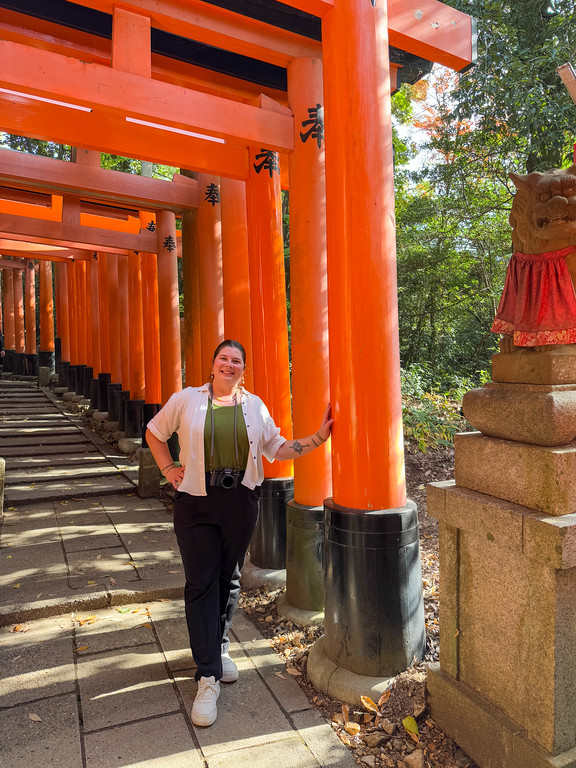
A day pack in Japan needs items most tourists don’t expect: hand sanitizer or soap sheets because many public restrooms lack soap and hand dryers; a small hand towel for the same reason; a foldable tote for purchases; and a bag for the trash you generate, since public garbage cans are rare. Japanese hotels and ryokans expect you to carry your own essentials; a phone lanyard is also popular, both for quick photos and to prevent leaving your phone behind. An electric fan with a long battery life helps in humid summers or stuffy trains. The Osprey foldable tote has a zipper, and a small backpack like the Pacsafe includes anti-theft features. These are the things that make a long walking day comfortable.
Cash and Coins Are Still King in Japan
Japan still runs on cash for shopping and many restaurants. ATMs are plentiful—nearly every convenience store has one—so you can always top up your yen. But you'll need a dedicated place for all the coins you'll collect; a separate coin purse is essential. As a foreigner, you're technically required to carry your passport at all times, so keep it in an RFID-blocking wallet, which also guards against electronic pickpocketing—a minor but real concern. Because cash is used so widely, you'll be handling bills and coins constantly. Make a habit of withdrawing at a convenience store ATM first thing, and keep your coin purse within easy reach. That way you're never stuck fumbling for exact change, and you can avoid pulling out your passport more often than necessary. The system is straightforward: cash in, coins out, and a place for everything. Don't forget that many places won't take cards, so having a reasonable amount of yen in your pocket is always wiser.
Your Phone Will Drain Faster Than You Expect
Your phone will drain faster than you expect. Between taking photos and videos at every shrine, museum, and street corner, and relying on Google Maps to navigate, you'll be using your phone almost constantly. A power bank is non-negotiable; keep it in your day pack and plug in whenever you stop. Don't wait until the battery is red—charge at 50% if you can. With Tokyo's daily 15,000–25,000 steps, you'll be checking your screen for directions at every turn, so the drain is relentless. A phone lanyard also helps: it lets you grab your phone for a quick photo without digging into your bag, and it prevents drops when you're juggling a hand towel and coin purse. Charge your power bank every night along with your phone—you'll need the top-up before the day ends, especially if you're using offline maps or shooting video. The key is to treat your phone like a hungry companion: feed it regularly.
The Clothing Volume Is Smaller Than You Think
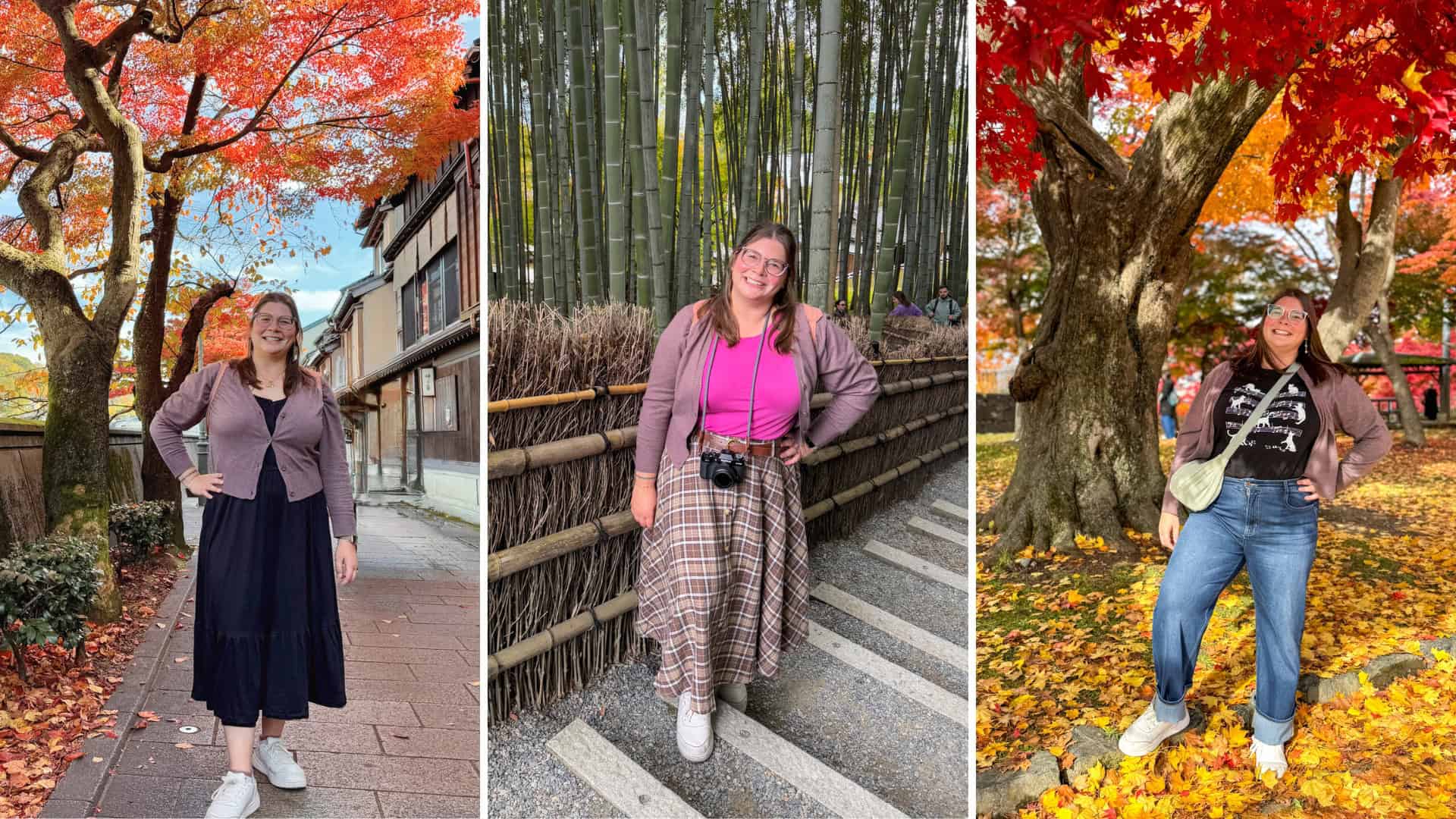
For a 19-day trip to Japan, the packing list fits in a carry-on: one pair of jeans, two pairs of comfortable long pants, one dressier pair, one long skirt, one maxi dress, five short-sleeved tops, one to two long-sleeved shirts, a couple of cardigans, one sweatshirt, and a casual jacket plus raincoat. That’s roughly enough for 7 to 10 days between laundry loads, and you'll likely do a load once a week. Hotels across Japan have coin-operated washers and dryers, costing about 300–400 yen per load, so you can refresh everything in under an hour. The trick is to pick items that mix and match—neutral colors and simple silhouettes mean each top works with multiple bottoms. You'll wear your bulkiest layers on travel days, and you'll probably find you could have left a few things behind, as one pair of pants and a couple of tops might only get worn once or twice. The goal is a compact wardrobe that you can combine, not a separate outfit for every day.
Adapters and Entry Rules Are Destination-Specific
Packing electronics gets complicated by different plug standards. Japan uses the same two-pin outlets as the US, but without the grounding prong—so any US charger with two pins works there, but you'll need an adapter if you're coming from elsewhere. For prescription medications, always keep them in your carry-on, and check whether you need a doctor's note to enter Japan. That's a rule that surprises many travelers. Also, you're technically required to carry your passport at all times as a foreigner, so have it ready in a day pack or purse. The practical takeaway: confirm your chargers are compatible and pack a small adapter if you're not from North America. The last thing you want is to run out of battery because your charger couldn't plug in. A universal adapter covers multiple countries, but for Japan alone, a simple two-pin adapter suffices.