Aviation SafetyDenver AirportUnited AirlinesFAA InvestigationAirport InfrastructureTravel Disruptions
Two-Year-Old Jet Lost Radio and Got a TCAS Alert on Denver Approach
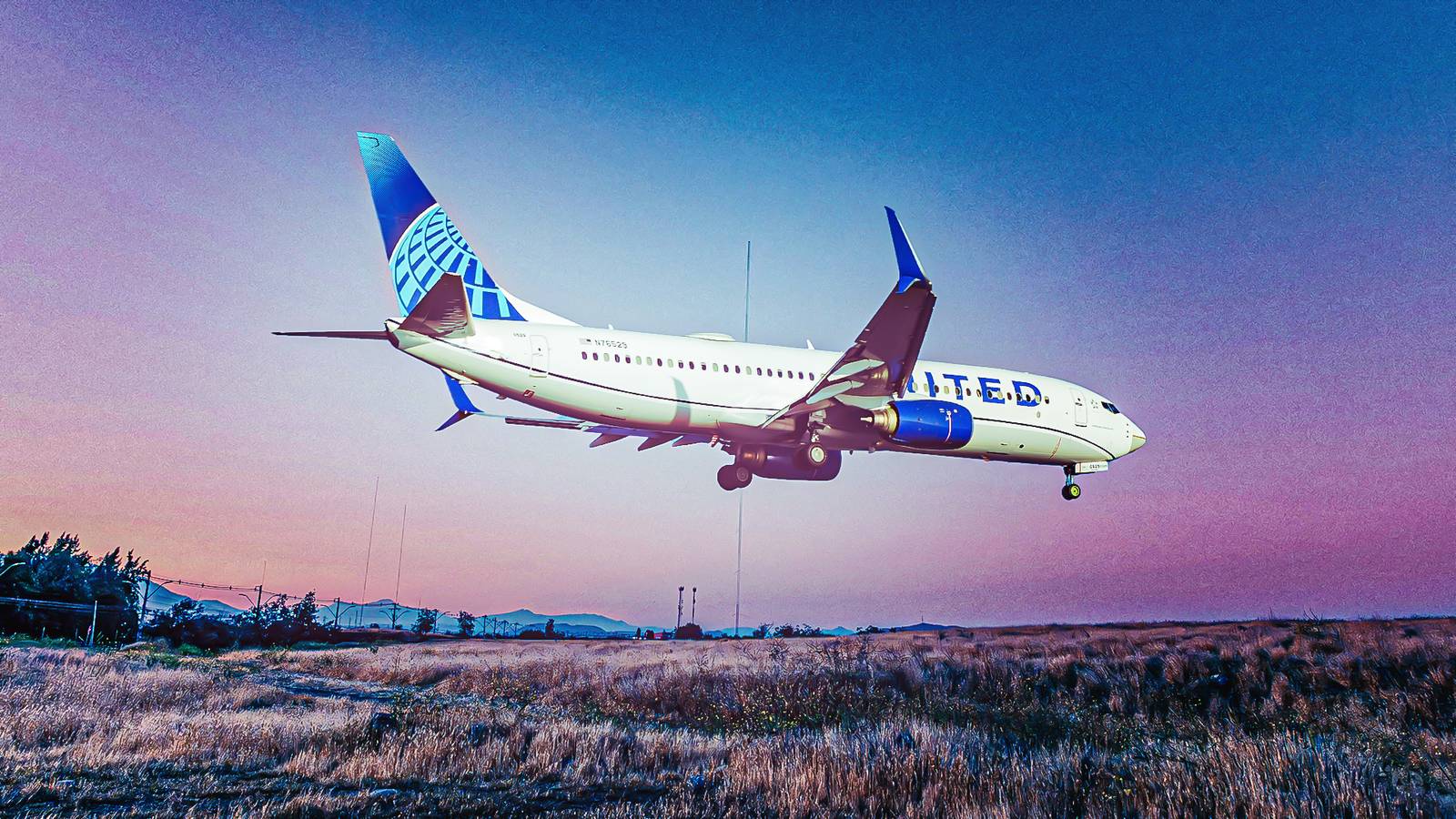
United Flight 779 landed at Denver International on a Monday and stopped on the taxiway to report serious radio interference. During approach, the crew said a severe electrical disturbance flooded their headsets, making it hard to communicate with each other or air traffic control. Then the Traffic Collision Avoidance System issued a Resolution Advisory—a direct instruction to alter altitude, which typically overrides ATC commands in an emergency. The aircraft, registered N67350 and only two years old, landed safely. The pilot described it verbatim: 'On approach, we had a severe electrical disturbance in our headsets. It got so loud that we could barely communicate in the cockpit. It was hard to hear ATC, and then we got that [TCAS Resolution Advisory] that we had to contend with as well.' The audio clip surfaced on X through Thenewarea51 using the ATC App. The FAA launches an investigation into every total communication loss, and losing both radio and TCAS redundancy in busy Denver airspace raises the stakes considerably.
May 12, 2025: The Day Denver Lost Both Primary and Backup Radio Transmitters
On May 12, 2025, Denver's tower experienced a simultaneous failure of its primary and backup radio transmitters, knocking out ATC communications for at least 20 airliners on approach. The preliminary investigation revealed an infrastructure failure, not a simple operator mistake. The culprit was a wire short, a mundane electrical fault that nonetheless managed to take down both systems at once. For pilots in the landing pattern, the effect was immediate: radios filled with static or went silent, leaving crews unable to hear approach controllers or receive instructions. Some reported losing contact for 90 seconds or more—an eternity when jets are spaced by seconds and weather can change without warning. The incident exposed the fragility of a system that handles nearly 1,000 landings and departures daily, and it gave fresh ammunition to conspiracy theorists who believe in a secret underground city beneath the runways. But the technical explanation—a wire short—was not enough to convince them; they see a cover-up where engineers see a worn-out component. The failure underscored how a single point of failure can cascade into a dangerous gap in communication, making the upcoming overhaul a matter of necessity rather than convenience.
Denver's Demonic Horse, Gargoyle, and the Underground Bunker Theory
Denver International has long been a magnet for conspiracy theories, and its art does not help. A towering statue of a 'demonic horse' and an animatronic gargoyle that randomly utters phrases like 'welcome to the Illuminati' draw attention, making the airport a self-styled cryptid of infrastructure. Television shows such as The Conspiracy Theory with Jesse Ventura have amplified the lore, turning what might be seen as whimsical design into evidence for a hidden agenda. The leading theory holds that a massive, top-secret underground bunker city lies beneath the runways—a claim that gains traction whenever Denver Center experiences a total simultaneous failure of both primary and backup ground transmitters, as happened in 2025. To true believers, a mundane wire short is simply a cover-up, and the airport administration's willingness to embrace the pop culture trend only feeds the mystery. The folklore has become so entrenched that even a routine technical glitch is reinterpreted as proof of the subterranean city. With a multi-billion-dollar modernization on the horizon, the hope is that reliable communications will finally dispel the aura of mystery. But until then, the 'demonic horse' and its whispering gargoyle continue to invite speculation about what really lies beneath the mile-high runways.
United 455 at O'Hare: A Tire Explodes, Passengers Deplane on the Runway
On Thursday, August 13, at about 1:45 p.m. Central time, United Flight 455 was accelerating for takeoff at Chicago O'Hare when a tire blew. The crew aborted and brought the Boeing 737-900 to a stop. The plane, bound for Phoenix, carried 161 passengers and 6 crew members. No one was hurt. Passengers waited on the aircraft until it was safe, then left via airstairs and took buses to the terminal. A nearby pilot reported 'lots of chunks of tire going down the runway.' Emergency vehicles surrounded the plane, as shown in CBS Chicago's YouTube footage. The FAA opened an investigation into the cause. The disabled aircraft blocked a runway, and O'Hare arrivals were delayed an average of 25 minutes. United arranged another aircraft to get the passengers to Phoenix later that day. The airline confirmed the details in a statement to ABC7 Chicago.
One Week Earlier, a United Flight from San Francisco Returned After Tire Damage
On August 6, a United flight from San Francisco to San Jose del Cabo had to turn back shortly after takeoff after the crew noticed damage to one tire. ABC7 News reported that the damage also occurred during the takeoff roll. That means two United flights in eight days experienced tire problems on takeoff. The FAA's investigation into the O'Hare incident will examine whether any mechanical or operational issues contributed. For travelers, this pattern raises questions about United's tire maintenance. In the O'Hare case, the blowout forced a runway closure and 25-minute average delays. In the San Francisco case, the flight returned to its gate, causing a delay for passengers. While these incidents are separate, they share a common failure point: the massive stress of takeoff on landing gear. The FAA will compare both cases to determine if there is a systemic issue.
A Refusing Child and a Misheard Clearance: Other Takeoff Aborts
Takeoff decisions can be upended by the smallest factors. On August 6, a Porter Airlines flight from Victoria to Toronto Pearson returned to the gate after a child refused to sit and fasten a seatbelt during taxi. The parents couldn't persuade the child, so the crew abandoned takeoff. The incident drew online outrage. Even more alarming, on June 27, 2026, American Airlines Flight 308 nearly collided with a private business jet after the crew apparently misheard a clearance and began takeoff. They saw the jet and aborted, leading to a tense exchange with air traffic control. Both cases involve human judgment, but a mechanical failure like the one on United 455 is different—it requires the pilot to decide whether to stop or continue. Each abort has its own consequences, from gate returns to runway closures, and all of them ripple through an airport's schedule.
Why a TCAS Advisory on Top of Radio Interference Is a Double Safety Threat
When United 779 lost radio contact with Denver tower, it also received a Resolution Advisory from its Traffic Collision Avoidance System. TCAS is designed to de-conflict airplanes directly and supersedes ATC instructions in emergencies. The arrival of an RA while the crew was struggling with severe radio interference created a dual challenge: they had to respond to the TCAS warning while also trying to communicate through the static. The FAA has a policy of investigating all total communication losses, and this case—with an RA added—elevates the severity. The aircraft was only two years old, making an onboard malfunction unlikely, but not impossible. The agency will examine whether the interference came from external sources, such as aging ground transmitters, or from internal systems. Denver's infrastructure upgrade aims to mitigate exactly these risks by modernizing radar and telecommunication systems. For now, the incident underscores how dependent modern aviation is on clear radio links and the timely function of TCAS as a backup safety net.
Modernizing Denver's ATC: A Concrete Safety Response
The acceleration of the multi-billion-dollar overhaul at Denver International is a direct acknowledgment that the airport's aging ATC infrastructure poses a genuine safety risk. Originally planned for a 15-year timeline, the modernization has been compressed to just three years following the 2025 failure of both primary and backup radio transmitters during a busy approach period. The collaboration between DEN and the FAA aims to replace outdated radar and telecommunication systems with modern equivalents, and to introduce data comm improvements. Data comm allows digital messages—clearance updates, weather alerts, route changes—to be sent to a cockpit display, supplementing voice radio. This provides a fallback channel that keeps pilots informed even when voice transmitters fail, as they did in May. For a facility that handles nearly 1,000 jetliners daily, the upgrade is essential: without it, a single wire short can silence the tower, leaving pilots to guess at clearances. The new systems add redundancy and a second path for critical information, ensuring that even a total radio failure doesn't mean a total loss of communication.