Italy ToursMature TravelWine CountryAmalfi CoastMediterranean CruisesTrip Planning
Classic Three-City Tour: Rome, Florence, and Venice
A first visit to Italy often lands on the three cities that define the country's artistic and political legacy. Rome brings the Colosseum, Vatican City, and the Trevi Fountain, with skip-the-line access that spares you the queue. Florence holds the Uffizi Gallery, Michelangelo's David, and the Duomo, the heart of the Renaissance. Venice offers a gondola ride, St. Mark's Basilica, and a Murano glass-making demonstration. For travelers who prefer a structured itinerary with expert guidance, Tauck runs luxury tours with VIP entry to major sites, while Globus balances guided sightseeing with blocks of free exploration. This combination suits history and art enthusiasts who want the highlights without negotiating tickets or logistics. Most itineraries run 10 to 12 days, a comfortable span for covering three cities without rushing.
Tuscany Wine Country and Culinary Immersion
Tuscany's countryside rewards travelers who want to taste, not just see. The Chianti region is dotted with wineries offering tastings and vineyard tours, and the hilltop towns of Siena, San Gimignano, and Montepulciano provide medieval backdrops. Cooking classes with local chefs turn regional ingredients into hands-on lessons. Backroads leads walking and biking tours through vineyards and villages, while Insight Vacations pairs luxury accommodation with authentic wine-country experiences. These trips are best for food and wine enthusiasts who prefer a relaxed pace over museum-hopping. A typical tour might include three or four winery visits, a cooking class, and free afternoons in each town. The emphasis is on scenic drives, long lunches, and tasting regional specialties like Chianti wines and pecorino cheese. No two itineraries are identical, but the focus stays on the landscape and its bounty.
Amalfi Coast Scenic and History Tour
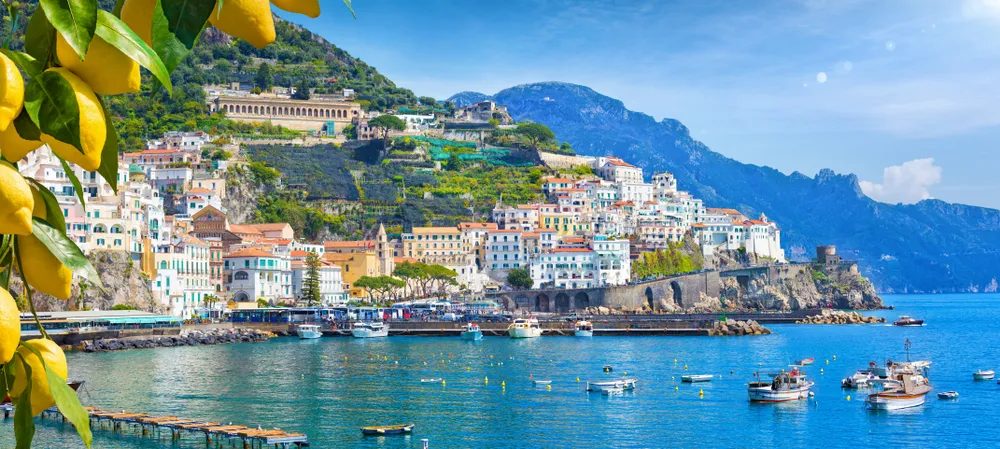
The Amalfi Coast delivers its own brand of drama: cliffside villages, sea views, and the remains of a civilization buried by a volcano. Travelers often base themselves in Positano, Ravello, or Sorrento, each offering panoramas over the Tyrrhenian Sea. From there, day trips include Pompeii and Mount Vesuvius, where you can walk the streets of a Roman city preserved in ash. A boat trip to Capri reveals the Blue Grotto, a sea cave lit by an eerie sapphire glow. Collette organizes small-group tours that focus on local culture, while Odyssey Traveller designs itineraries specifically for mature travelers, moving at a slower pace. This region suits those who love coastal scenery and want a blend of sightseeing and downtime. Expect steep streets and many stairs; comfortable shoes are a must. The best months are May and September, when crowds thin and temperatures stay mild.
Sicily's Ancient Ruins and Unique Culture
Sicily offers a less crowded but equally profound Italian experience. The island's capital, Palermo, mixes Arabic, Norman, and Baroque architecture, while Agrigento's Valley of the Temples holds some of the best-preserved Greek ruins outside Greece. Siracusa's ancient district and street markets add layers of history and daily life. The cuisine—seafood, cannoli, arancini—is distinct from northern Italy. Smithsonian Journeys provides in-depth historical and cultural tours with expert lecturers, and Exodus Travels specializes in small-group adventure itineraries that include hiking on Mount Etna, Europe's most active volcano. For history buffs who overlook the mainland's well-trodden routes, Sicily rewards with ancient ruins, diverse cultural influences, and a slower tourist footprint. A 10-day tour gives time to cover Palermo, Agrigento, and Siracusa without packing each day.
Mediterranean Cruises for Stress-Free Multi-Stop Travel
A Mediterranean cruise turns the logistics of visiting multiple Italian ports into a single decision. Viking Ocean Cruises runs adult-only, all-inclusive journeys with stops in Rome, Naples, Venice, and Sicily, each featuring guided shore excursions. Regent Seven Seas offers a more high-end version with similar all-inclusive amenities, including fine dining, spa services, and evening entertainment. Optional day trips extend into Tuscany, the Amalfi Coast, or Cinque Terre from the embarkation points. Cruises suit travelers who want comfort and convenience—no packing and unpacking between hotels, and a floating home base that returns each night. Shore excursions in each port are included, saving time on independent planning. The trade-off is less flexibility; you see the highlights but wait for the shore excursion schedule. For those who prefer a relaxed pace and consistent quality, it's a straightforward way to cover Italy's iconic cities while leaving sightseeing decisions to onboard guides.
How to Choose the Right Group Size and Pace
The key to a comfortable Italy tour at 50+ often comes down to two decisions: group size and daily pace. Many operators offer small-group options capped at 20 travelers, which translates to more personal attention from the guide and easier navigation through crowded sites. Look for itineraries that explicitly balance structured sightseeing with free time—afternoons without planned activities, or a slow morning before a busy museum day. This pacing matters because Italy's cities involve a lot of walking, and a schedule that packs in six attractions by 3 p.m. can become exhausting. Reading the daily itinerary reveals whether you'll spend two hours in a gallery or forty minutes. Some companies label their tours 'leisurely' or 'slow travel'—those labels are worth filtering for.
Timing Your Trip for Value and Comfort
Booking at the right time of year saves money and improves comfort. Spring (April through June) and fall (September through October) bring milder temperatures and fewer crowds than summer's peak, when Rome and Florence can feel like open-air museums packed shoulder-to-shoulder. Off-season deals often include lower tour prices and better flight rates. Travel insurance is another standard recommendation; it protects your investment against unexpected cancellations, medical emergencies, or trip interruptions. Reading recent reviews on independent sites and comparing what each tour package actually includes—meals, entrance fees, tips—helps you find the best value. Some providers, like Odyssey Traveller, cater specifically to mature travelers and include more rest time in their itineraries. Insurance costs typically run a percentage of your trip price, so check coverage limits before buying. Planning ahead for shoulder season also gives you a better chance at preferred departure dates.