RV CampingFlorida State ParksSpringsSwimming HolesRoad Trips
The Geography of Florida's Springs
Florida's springs mostly sit in the northern half of the state, with the highest concentration between Tallahassee and Orlando. The water temperature holds steady at 70 to 75 degrees Fahrenheit year-round, unlike the ocean which shifts with the seasons. That consistency makes them a reliable stop for RVers. The concentration in this corridor means you can plan a multi-stop route without backtracking.
Silver Springs and a Century of Glass-Bottom Boats
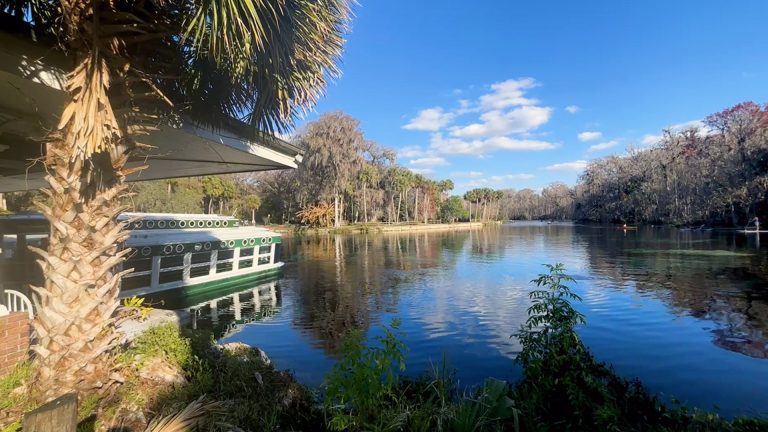
Silver Springs has been operating as a tourist attraction since 1820, making it one of the oldest continuous attractions in the state. The glass-bottom boat tours began more than 100 years ago and still run today. Each boat carries about 30 people, and the trip lasts roughly 30 minutes, giving you a clear view down through the spring's exceptionally transparent water. The clarity is the point — it exposes the limestone formations and aquatic grass beds below, along with a set of submerged statues left over from a movie filmed at the springs decades ago. The visual effect depends on the water staying calm, so the boats move slowly over the heads of the spring boils. For an RVer, Silver Springs works best as a day-use destination with ample parking, not necessarily an overnight base. The attraction is the ride itself, so the planning step is booking a tour slot in advance during peak season rather than expecting to walk up and board immediately.
Swim and Snorkel: Salt Springs and Its Floating Faces
At Salt Springs, the water stays a constant 70–75°F year-round. Swimmers and snorkelers don face masks and float face-down in the pool to watch fish and rocks below the surface.
Gilchrist Blue Springs: New Campground, Clear Water
Gilchrist Blue Springs State Park sits between Lake City and Gainesville, and its campground is a recent addition to the state park system. The sites are on the smaller side, which makes them better suited to shorter rigs, and the park shares a dump station with a neighboring state park rather than running its own. The spring itself draws visitors from across the country for the water clarity — the basin is broad and deep, with the blue tint that gives the park its name. Swimming is allowed, but the park also rents kayaks and canoes for exploring the run that flows out of the main basin. The newness of the campground means the facilities are in good condition, but it also means the site count is limited, so reservations open early and fill fast. The trade-off is a quieter stay with fewer crowds than the older, larger parks in the region. The kayak rental counter is open during regular park hours, and the run is calm enough for a paddle that doesn't require prior experience.