Marine ConservationSydney CoastlineIndigenous KnowledgeKelp ForestsOperation CrayweedEnvironmental Restoration
What is Operation Crayweed?
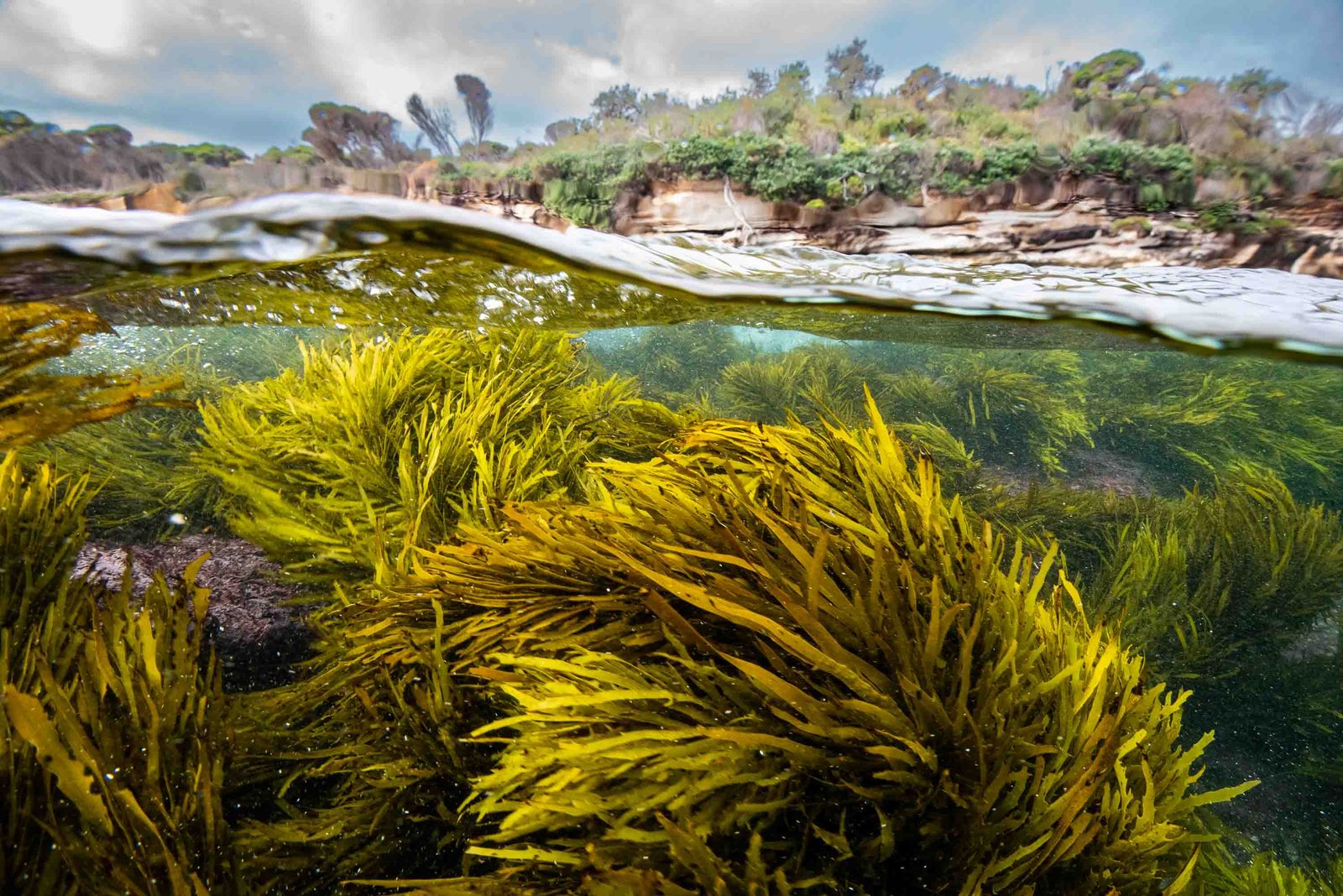
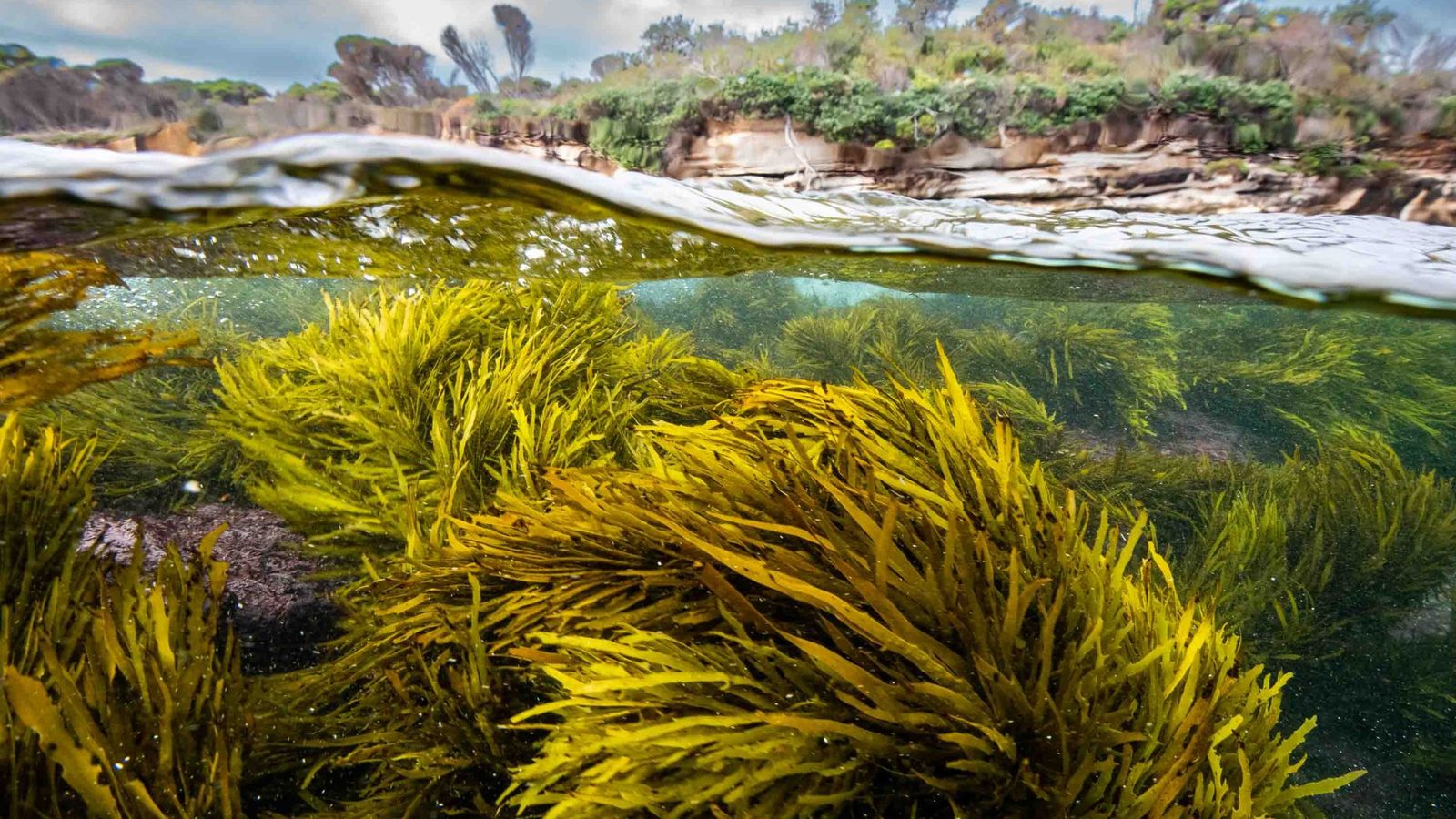
Operation Crayweed is a research and restoration program based at the University of New South Wales (UNSW) that is bringing crayweed back to Sydney's coastline. Led by program coordinator Dr. Claudia Santori, the team relocates adult male and female crayweed from populations outside the city into six restoration sites along the coast. Once the adults are placed together, they release gametes into the water, fertilize, and produce the next generation—affectionately called 'craybies'. The program was launched after a 43-mile (70-kilometer) stretch of crayweed forests disappeared from Sydney's reefs in the 1980s due to sewage pollution, and the species showed no natural recovery even after water treatment improved. Over the past decade, the team has successfully re-established dense seaweed forests in these sites, and now also runs community engagement events like the Sea the Weed initiative to reconnect locals with the ocean.
How did the seaweed forest at Freshwater Beach get its name?
The forest off Freshwater Beach was named through a community-led process organized by Operation Crayweed. In a two-step workshop, 30 ocean lovers—residents, students, business owners, and marine researchers—first snorkeled through the forest to connect with the environment, then brainstormed candidate names with facilitation from marine social scientist Amanda Schadeberg. The workshop generated a shortlist of 12 names, including references to the reef's shape, local surfing history, and translations into the local Aboriginal language. The final name, Kadjung, means 'fresh water' in the Gomberee language, and it won a public vote with over 200 participants. Operation Crayweed will now submit Kadjung Kelp Forest to the Geographical Names Board of NSW for official approval, after which it will appear on Google Maps and other global mapping platforms.
Who is behind the naming and restoration work?
The restoration and naming efforts are driven by a partnership between scientists and Indigenous leaders. Operation Crayweed, led by Dr. Claudia Santori at UNSW, handles the marine science. The community engagement is spearheaded by Sea the Weed, a monthly initiative co-led by Arthur Little, a descendant of the Wiradjuri, Kamilaroi, Ngunawal and Yuin nations, and Brenden Newton, a teacher and professional bodyboarder. Sea the Weed was created by the Indigenous mentoring organization AIME and run in partnership with Operation Crayweed. Their ceremonies before snorkeling include gratitude to Grandfather Sun and cleansing with smoke. The winning name Kadjung was translated from English to Gomberee by the local Aboriginal Land Council. The global effort is supported by the Kelp Forest Alliance and the automaker Hyundai through their Forests Without Names initiative.
What happened to Sydney's seaweed forests historically?
In the 1980s, inadequate sewage treatment wiped out a 43-mile (70-kilometer) stretch of crayweed forests along Sydney's coastline, causing their local extinction. Despite major improvements in water treatment, the crayweed did not return on its own. For over a decade, Operation Crayweed has been working to reverse this loss, and while the ecological recovery is underway—the forests are reappearing—the social recovery lags. Dr. Claudia Santori, the program's coordinator, notes that these forests remain largely invisible to the public. To bridge that gap, the program has expanded beyond biology, partnering with Indigenous leaders and community members to hold ceremonies and educational workshops. This dual approach—restoring the seaweed while also restoring people's connection to Sea Country—has been central. The historical loss was not just an environmental tragedy; it severed a cultural and spiritual bond between the coast's inhabitants and the underwater world. The revival, then, is as much about naming and recognizing these places as it is about replanting seaweed.
Can I visit the Kadjung Kelp Forest or get involved?
Yes. The Kadjung Kelp Forest is located offshore from Freshwater Beach on Sydney's Northern Beaches, and it is accessible to snorkelers and divers. Operation Crayweed runs monthly Sea the Weed events, co-led by Arthur Little and Brenden Newton, which combine Indigenous ceremony with guided snorkeling. Participants learn to identify male and female crayweed, golden kelp, sargassum, and caulerpa filiformis before entering the water. These events are open to residents, students, business owners, and marine researchers—anyone with an interest. The naming process has also been extended to other sites; in April, Operation Crayweed helped the community name the Yanggaa Kelp Forest after the Dharawal word for crayfish. Public votes for future naming decisions are announced through Operation Crayweed's channels, and the initiative, funded by Hyundai's Forests Without Names, continues to map and name underwater forests globally.
What is the Great Southern Reef?
The Great Southern Reef stretches along the lower half of Australia's coastline, a vast temperate underwater landscape composed of species such as crayweed, golden kelp, and sargassum. Unlike the widely known Great Barrier Reef, this reef is largely unheralded. It spans hundreds of miles and its kelp forests provide essential habitat for a wide range of marine life. However, this ecosystem has faced severe challenges from pollution and climate change. Localized extinctions have occurred, including along Sydney's coast, but restoration efforts are underway. For example, Operation Crayweed works to bring back these forests by transplanting adult seaweed to multiple sites. Giving names to specific forests, such as the recently named Kadjung Kelp Forest, is a step toward making this hidden realm as recognizable as its terrestrial counterparts.