Borneo TravelFamily TravelWildlife ConservationIntrepid TravelSabahEcotourism
An Office With a River View
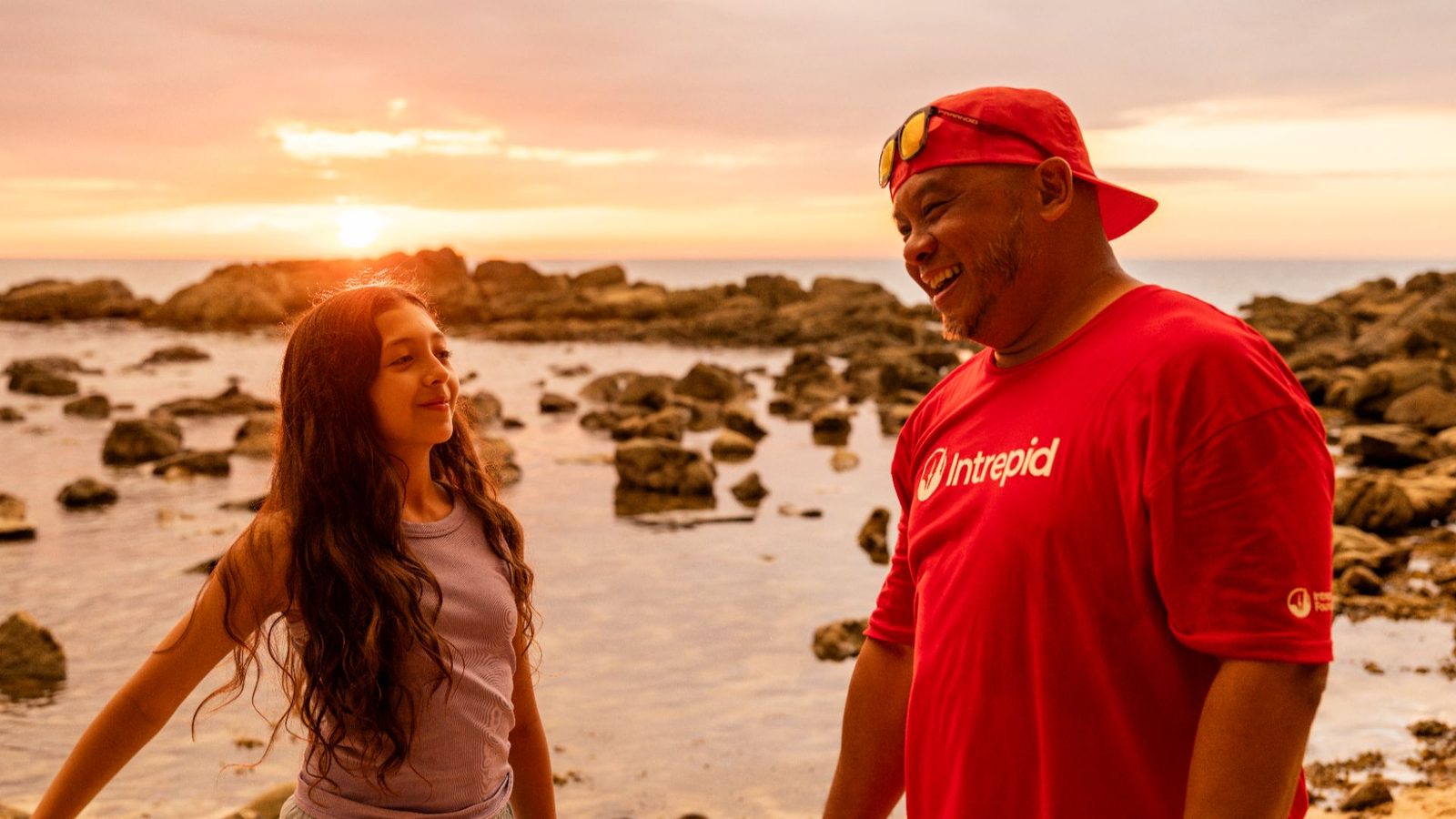
Ben Duncan Angee has spent three decades guiding travelers through Sabah, the Malaysian state on the northern tip of Borneo. His office, as he puts it, is the Kinabatangan River, where oxbow bends turn a deep shade of umber at sunset. Over the years, he has learned that the lesser adjutant, a giant bare-necked stork with a wingspan up to two metres, delivers its most memorable lessons in an unexpected way: it poops on your head. It is the kind of anecdote that makes him the natural fit for Intrepid's new Borneo Premium Family Holiday, a nine-day itinerary that strings together coral-planting on Gaya Island, wildlife-spotting along the Kinabatangan, and a visit to the Sepilok orangutan reserve.
Angee, a father to a 15-year-old son, is candid about the challenges of parenthood; his boy was born premature at seven months, and he admits to regretting not having more children. That energy now spills into his work. On the river, he points out that guiding families beats being chained to a desk, and he shares stories about his country, his village and his people. He often finds himself acting as a surrogate uncle to the young travelers in his group, which is exactly the role Intrepid hopes he will fill on this new route.
The Borneo Big Five, Minus the Binoculars
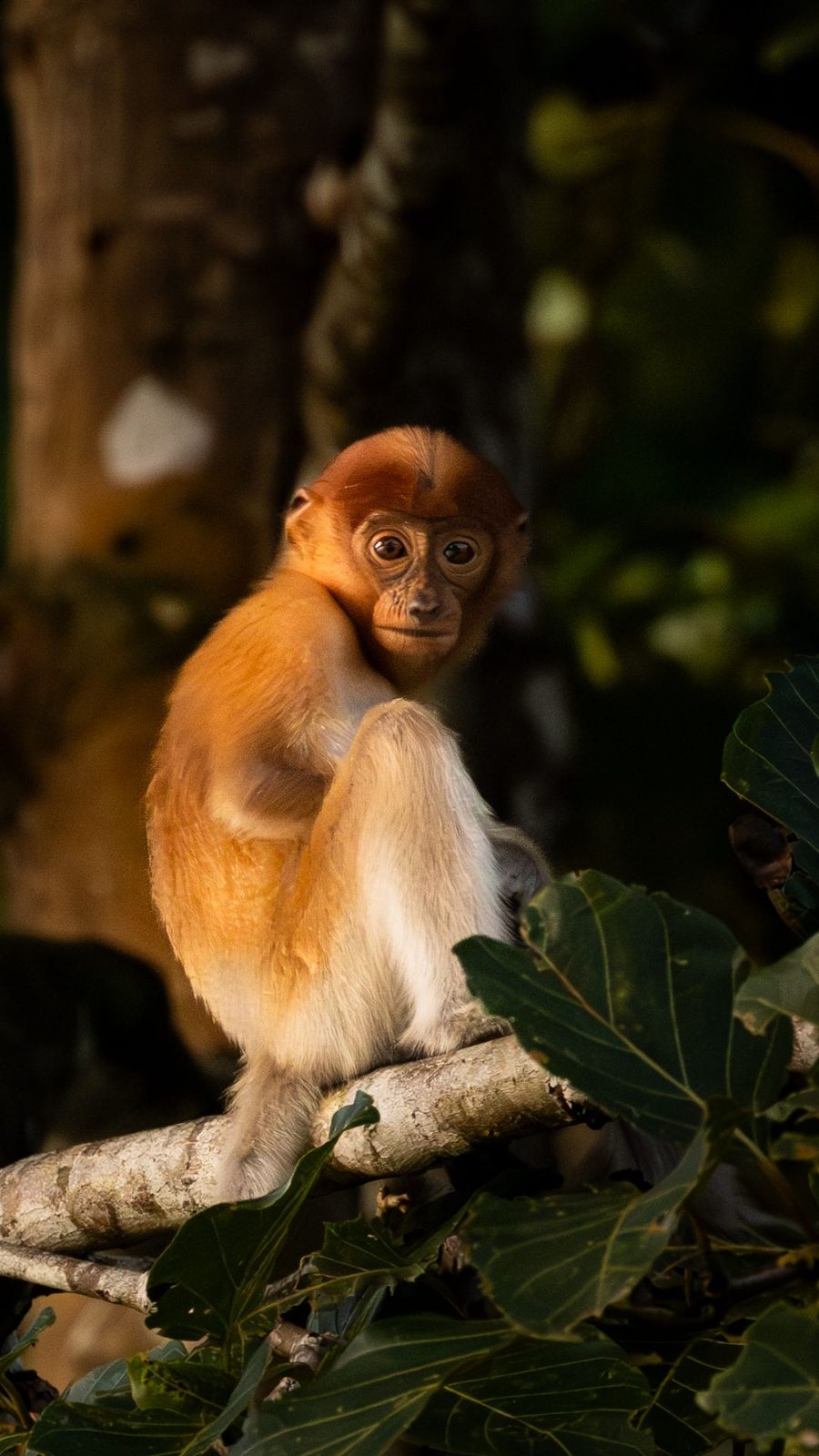
For kids, the draw is the wildlife. Angee refers to the lineup as the 'Borneo Big Five': the proboscis monkey, with its preposterous nose; the pygmy elephant; the saltwater crocodile, which he jokes is not-so-cute; the flamboyant rhinoceros hornbill; and of course, the orangutan. They are all reachable on this itinerary, but seeing them requires some finesse.
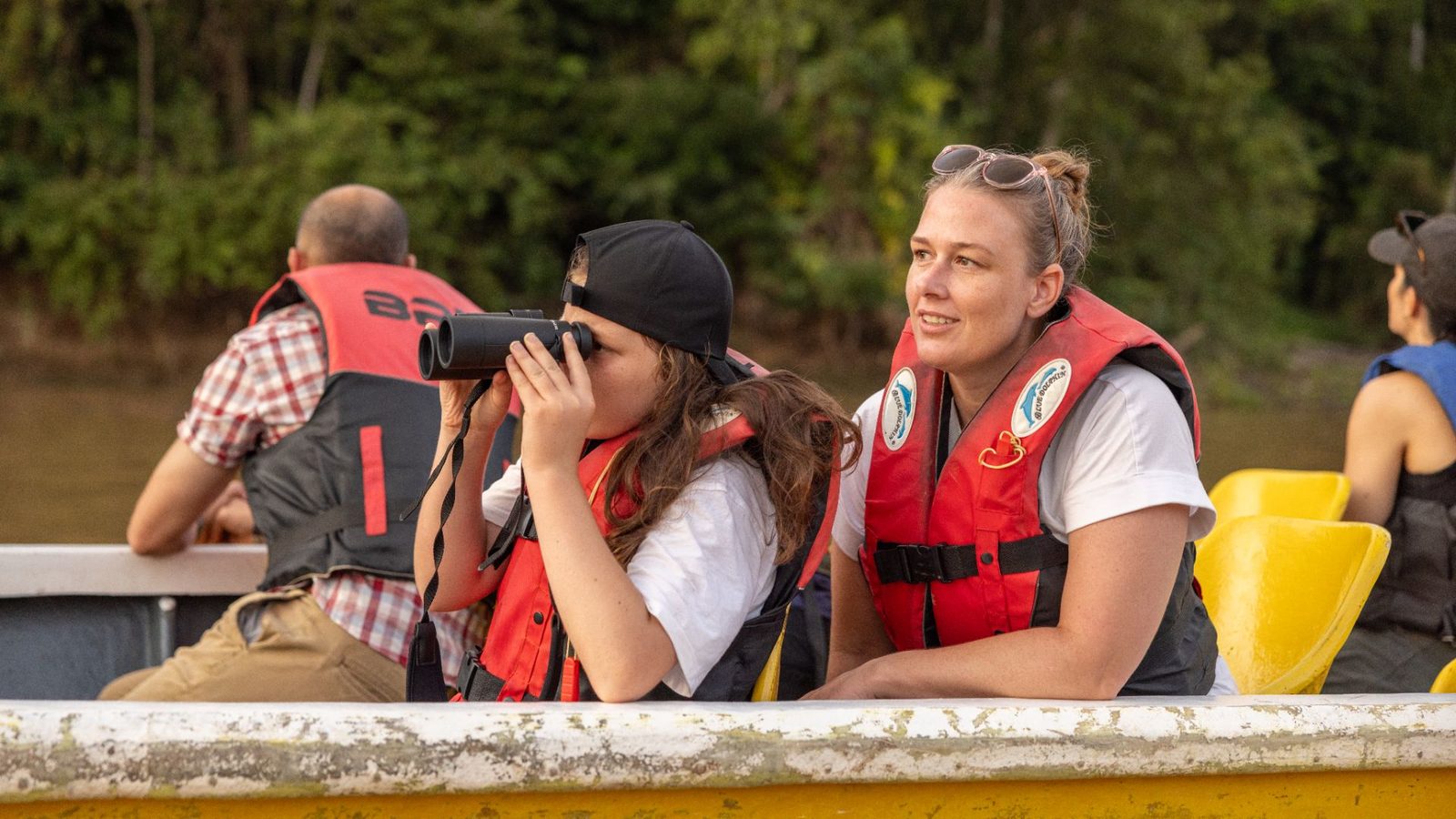
On the Kinabatangan, Angee teaches families to read the jungle. Orangutans are often high in the trees and nearly invisible when still, so he tells travelers to start by looking for the nests. An orangutan nest is usually quite exposed in the canopy, so spotting one signals that the apes are likely in the area; then it is a matter of waiting for movement. He met a memorable group once where a six-year-old boy was adopted by the older teenagers, a dynamic he compared to the silver-leaf langur monkey, whose babies are born a distinct maroon colour so the entire troop can keep an eye on them. The older kids made sure the youngest was never left out, a small primate lesson in family dynamics that Angee says plays out in his groups year after year.
Where Conservation Is the Curriculum
The trip includes a stop at the Orangutan Rehabilitation Centre in Sepilok, home to 60 to 80 orphaned, injured and displaced red apes. They are encouraged to roam free in the protected rainforest, supported by supplementary feedings twice a day that are open to the public. Angee points out an intentional quirk of the program: the food provided is deliberately monotonous, a strategy to nudge the orangutans toward foraging for themselves rather than relying on the handout.
Angee is philosophical about the need for such centres. In an ideal world, he says, a conservation centre shouldn't have to exist. But given the pressures on the island—palm-oil plantations, logging, infrastructure expansion, the illegal pet trade and human-wildlife conflict—they are necessary if future generations are to see the animals at all. He frames this for the kids directly, telling them they are the future leaders of tomorrow, and that educating them now is the way to preserve both the animals and the surrounding environment. The lesson lands lightly, delivered between glances at the canopy.
Planning Around the Rain and the Rivers
The itinerary is designed to keep the pace mobile for families, moving from the marine environment of Gaya Island, where travelers help plant coral, to the river systems of the Kinabatangan floodplains. The soupy, slow-moving river is the best classroom for spotting wildlife, but it rewards patience; the lesser adjutant stork that swoops overhead during Angee's anecdote is a rare appearance, not a guarantee.
Conditions in Sabah are hot and humid, and the rain can come in sudden bursts, so the practical advice for parents is to pack quick-dry layers and a decent waterproof jacket for the boat rides. The Premium part of the Intrepid trip means accommodation is a step up from basic jungle lodges, but the emphasis remains on being out in the field. Insect repellent is essential, especially for the evening river cruises when the mangrove edges come alive. Timing also matters: the dry season between March and October generally offers better visibility for wildlife, though the Kinabatangan is a year-round destination, and the animals do not follow a calendar.
The Takeaway Lessons for Families
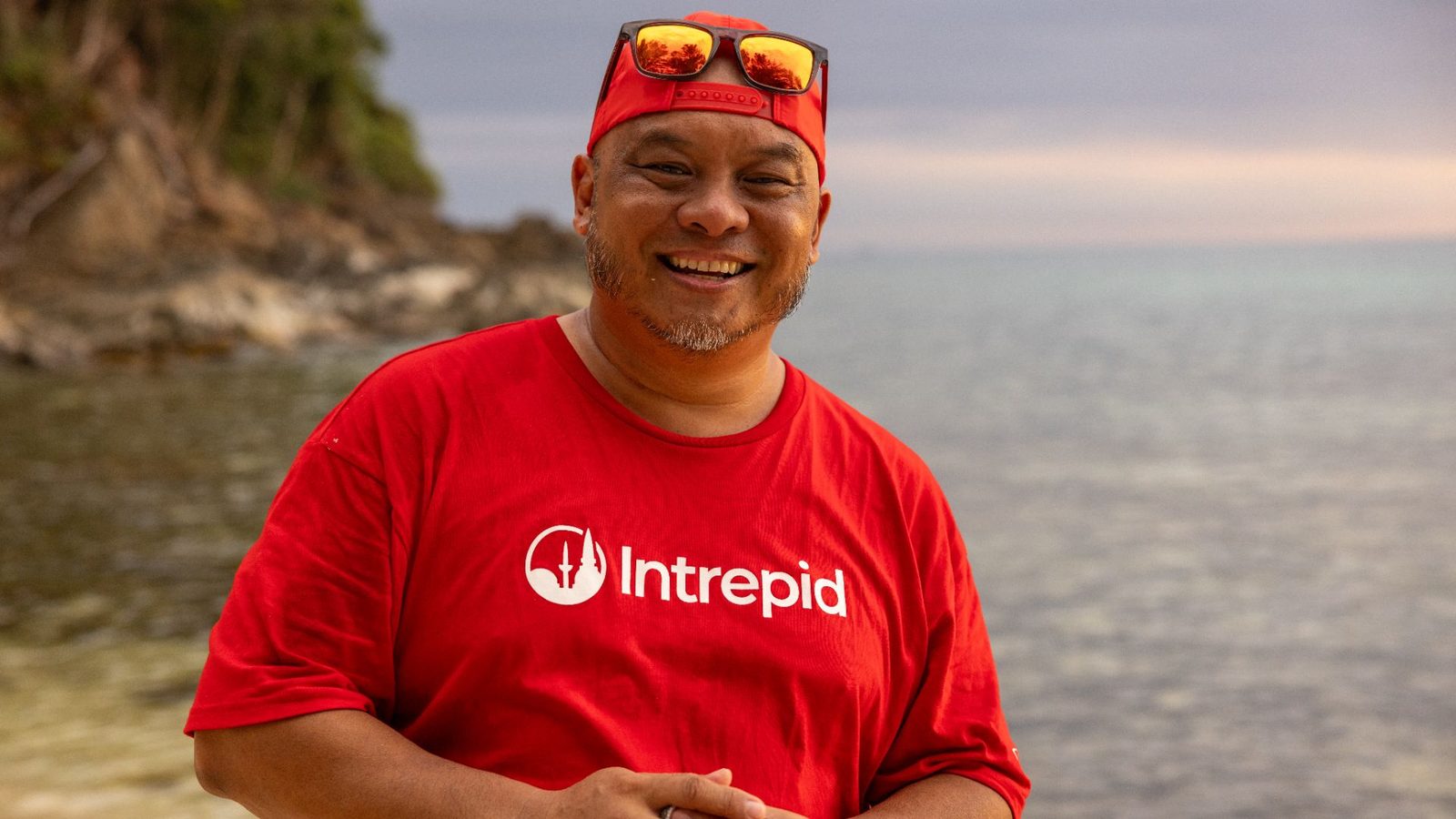
Angee's approach to teaching kids is to parcel out information in small, bite-sized chunks. It is easier for them to absorb that way, he says, and he sees himself as a link in a chain: someone taught him this information, and now it is his turn to pass it on. The method works, especially when the subjects are as inherently fascinating as a stork that can reach seven feet across, or a monkey that changes colour when it is born.
For parents, the deeper value of the trip is watching their children navigate a place where the classroom walls are made of rainforest. Angee recalls his own difficult path to fatherhood, and how he ended up with one boy quite late in life. He says being a father is one of the greatest gifts, and he treats the children in his group with a similar warmth, eager to share the place he calls home. The trip, he hopes, plants a seed: if kids grow up knowing why the orangutan's nest matters and why the coral reef is worth planting, the conservation message has a chance of outlasting the holiday tan. And if a stork happens to add its own commentary from above, so much the better for the story they take home.