United AirlinesSan Francisco AirportChicago O'HareFAA RegulationsAirline Routes
A Winter Schedule Shift Takes Shape at SFO
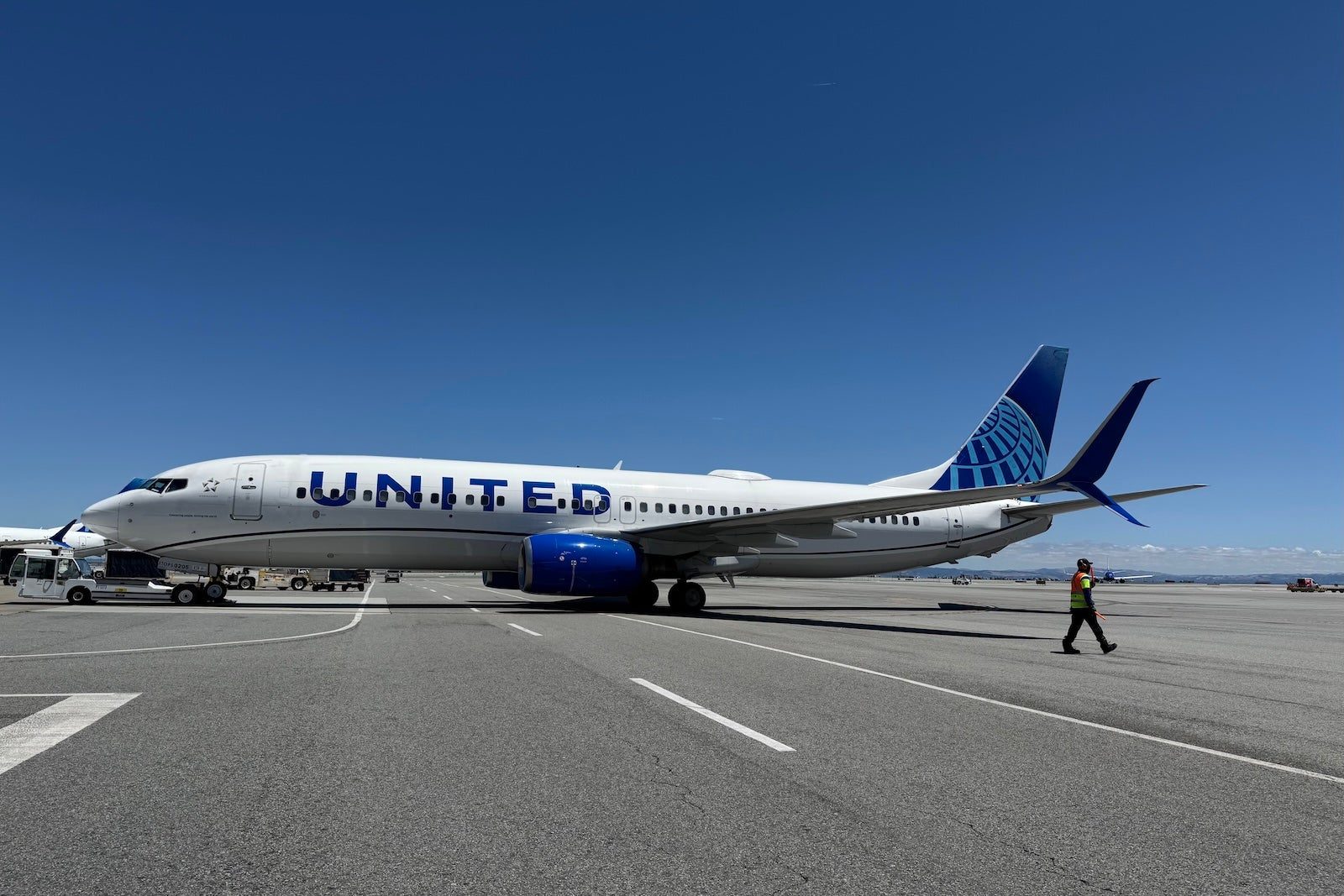
United Airlines is adding two routes from San Francisco International Airport this winter, a direct response to the Federal Aviation Administration loosening its grip on the airport's hourly flight limits. The carrier will begin daily service to Cincinnati/Northern Kentucky International Airport on Oct. 25, followed by Saturday-only flights to President Donald J. Trump International Airport in West Palm Beach, Florida, starting Nov. 7. Both routes are scheduled on a Boeing 737-800. The Florida destination, formerly known as Palm Beach International Airport, still carries the PBI airport code. The additions come just days after the FAA raised the hourly arrival rate at SFO from 36 to 40 flights on Aug. 12, with the San Francisco Chronicle reporting that the agency expects to bump that figure to 42 by the end of August.
How the FAA Limits Compare at SFO
The new flight numbers still sit well below the ceiling that existed before the FAA stepped in. SFO previously accommodated up to 54 flights per hour, but runway construction and safety concerns prompted the agency to cut that rate to 36 in April. The recovery has been staged, moving to 40 and then a projected 42. United's chief operating officer, Toby Enqvist, signaled in June that the carrier anticipated improvements in landing rates at SFO, and the schedule now reflects that expectation. For travelers, the practical effect of a slower arrival rate is often felt in gate delays and extended taxi times, so the incremental increases offer some relief for both the airline's on-time performance and passengers making tight connections through the Bay Area hub.
O'Hare Remains Grounded by an Extended Cap
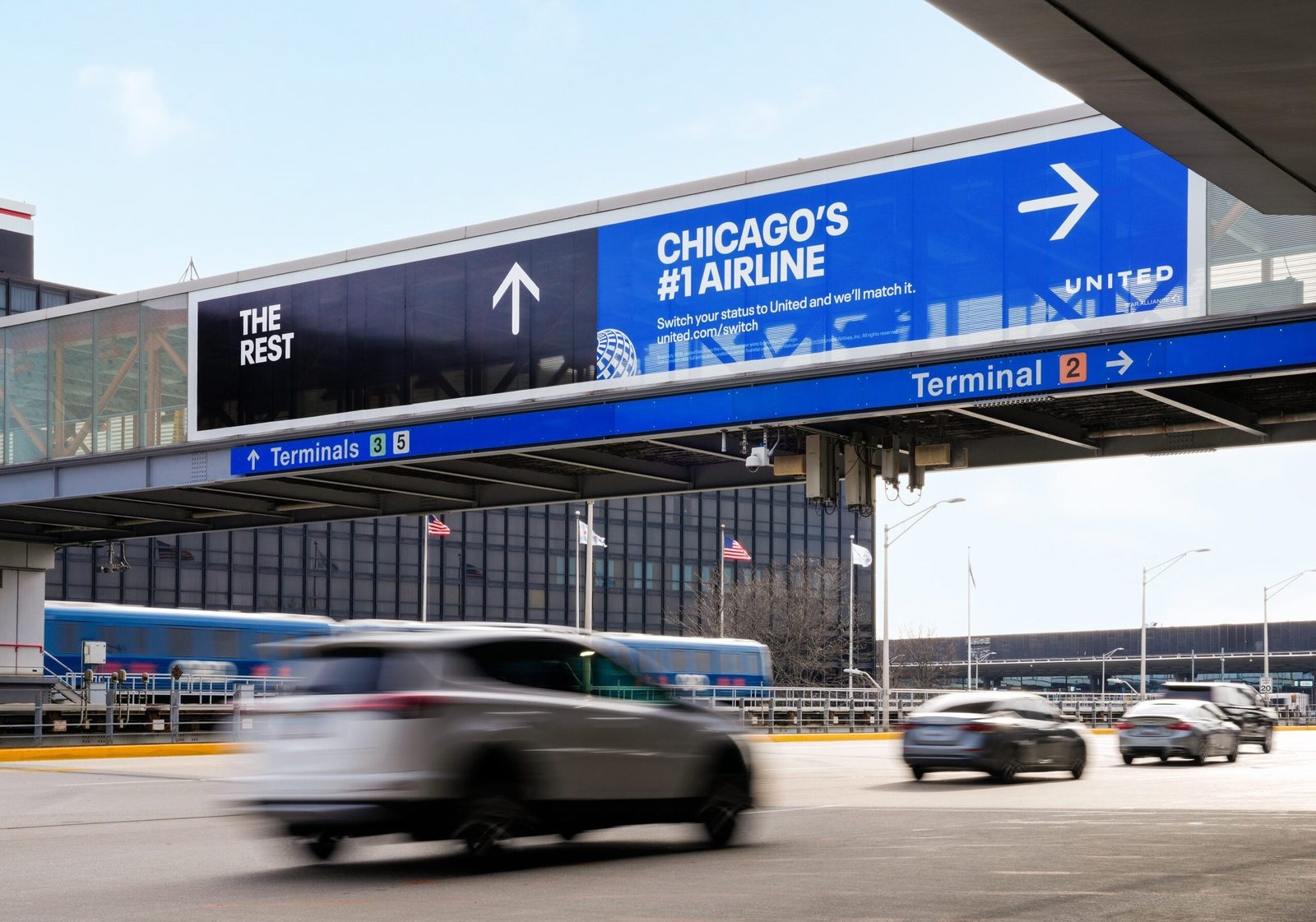
While San Francisco gains capacity, Chicago O'Hare International Airport stays locked down. The FAA imposed strict flight caps at ORD in April, a move stemming from a dispute between United and American Airlines over gate control under the airport's annual redistribution program. In July, the agency extended those restrictions through October 2027, leaving United's growth plans in limbo. The airline had previously announced a wave of new routes from Chicago, but with the extended cap now in place, it is indefinitely postponing ten of them. A United spokesperson confirmed that the carrier is delaying these routes and removing them from the schedule, while remaining committed to providing connectivity to those cities once the FAA order expires.
The Postponed Routes and the Bigger-Plane Workaround
The shelved destinations are largely smaller midwestern and eastern markets: Bloomington-Normal and Champaign-Urbana in Illinois, Wausau and La Crosse in Wisconsin, Erie in Pennsylvania, Kalamazoo, Lansing, and Marquette in Michigan, Rochester in Minnesota, and Tri-Cities near Johnson City, Tennessee. None of these cities are currently served by United from any of its other hubs. Since the carrier cannot add flights, it is instead adding seats. United plans to grow seat capacity at O'Hare by nearly 14% this year compared to 2025 by swapping out smaller Airbus A320s and Boeing 737 Max 8s for larger A321neos and 737 Max 9s. This approach allows the airline to move more passengers through the capped airport without violating the FAA's flight number restrictions.
Reading the Geographic Pivot
At SFO, the improved flight rates allow for tangible route expansion, even if limited to one daily flight and a once-a-week service. At ORD, the extended cap forces a strategy of equipment upgrades rather than network growth. United postponed, rather than canceled, the ten routes; the FAA's cap at ORD is extended through October 2027. Passengers in different regions see different outcomes from the same regulatory environment.